Free Portugal guide
The best places to visit in Portugal
We live in the Alentejo and travel the rest of the country with our kids. This is the honest version: what each region is actually like, which places are worth the detour, and when to go so you don't arrive in the wrong season.
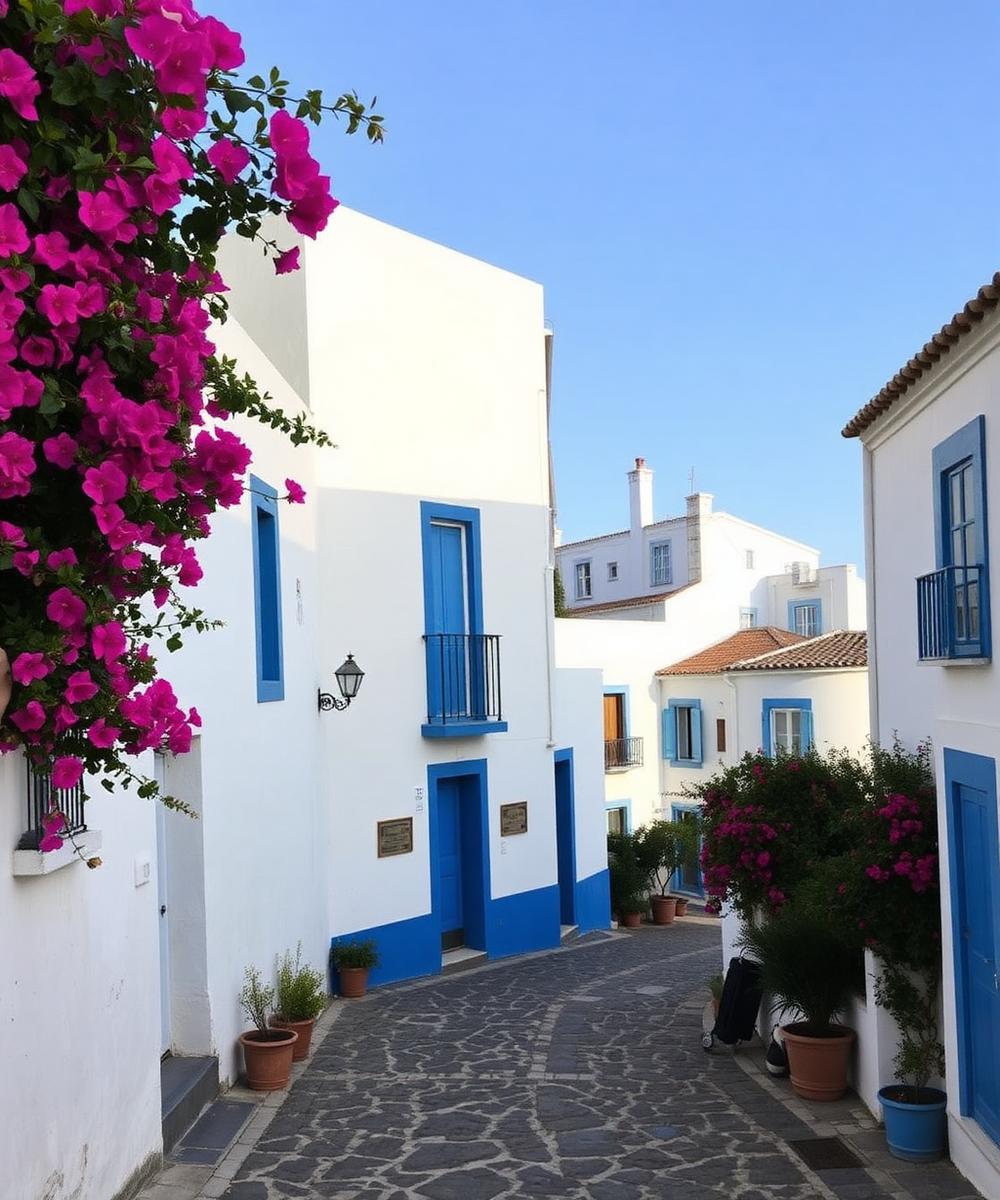
The Algarve
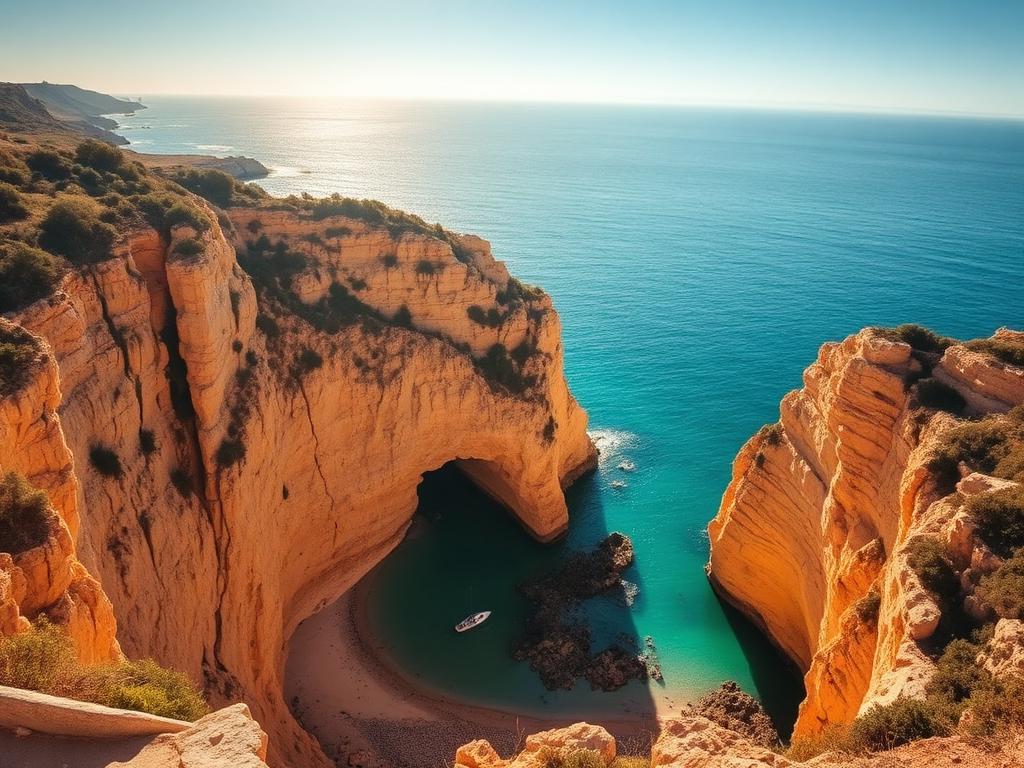
The Algarve is not one single beach resort. The east has lagoon islands and fishing towns; the centre has the famous ochre cliffs; the west faces the Atlantic and feels wilder. July and August bring heat, traffic and full car parks, so we favour late spring or early autumn.
- Where to stay
- Base yourself in Tavira for the east, Lagos for the cliffs, or Aljezur for the wild west coast.
- Getting around
- The train is useful between Faro, Tavira and Lagos, but a car makes the west coast and Monchique much easier.
Tavira and the Ria Formosa
Tavira is a walkable river town of tiled façades, small squares and a castle garden. Ferries and water taxis cross the Ria Formosa to long, sandy island beaches; the journey is part of the day rather than an inconvenience.
Visitor tip: Check the return ferry time before settling on the beach, and carry water and shade—the islands are intentionally undeveloped in places.
Lagos and the Ponta da Piedade cliffs
The boardwalk above Ponta da Piedade gives the easiest view of the stacks, arches and small coves. Lagos also works well without a car: the old centre, marina and several beaches are within walking distance.
Visitor tip: Walk the cliffs early, when the light is softer and the paths are quieter. Boat and kayak trips depend on sea conditions, so leave room to move the booking by a day.
Aljezur and the Costa Vicentina
Around Aljezur, whitewashed villages and cork-oak hills meet large Atlantic beaches such as Arrifana and Amoreira. This coast is cooler and windier than the south coast, with stronger surf and far less resort development.
Visitor tip: Never assume a quiet-looking Atlantic beach is safe for swimming. Use lifeguarded areas in season, watch the flags and keep well back from cliff edges.
Monchique
Monchique is the green, hilly counterpoint to the coast, known for woodland roads, Caldas de Monchique and broad views from the higher slopes. It is a worthwhile inland day when the beaches feel crowded.
Visitor tip: Mountain roads are narrow and slow. Avoid squeezing this into the same day as a distant east-Algarve beach, and check local fire restrictions during hot, dry weather.
Our local advice: Do not choose a base by distance alone. The A22 is quick, but reaching small beaches on local roads takes longer than the map suggests. Pick one side of the region and explore it properly.
The Alentejo
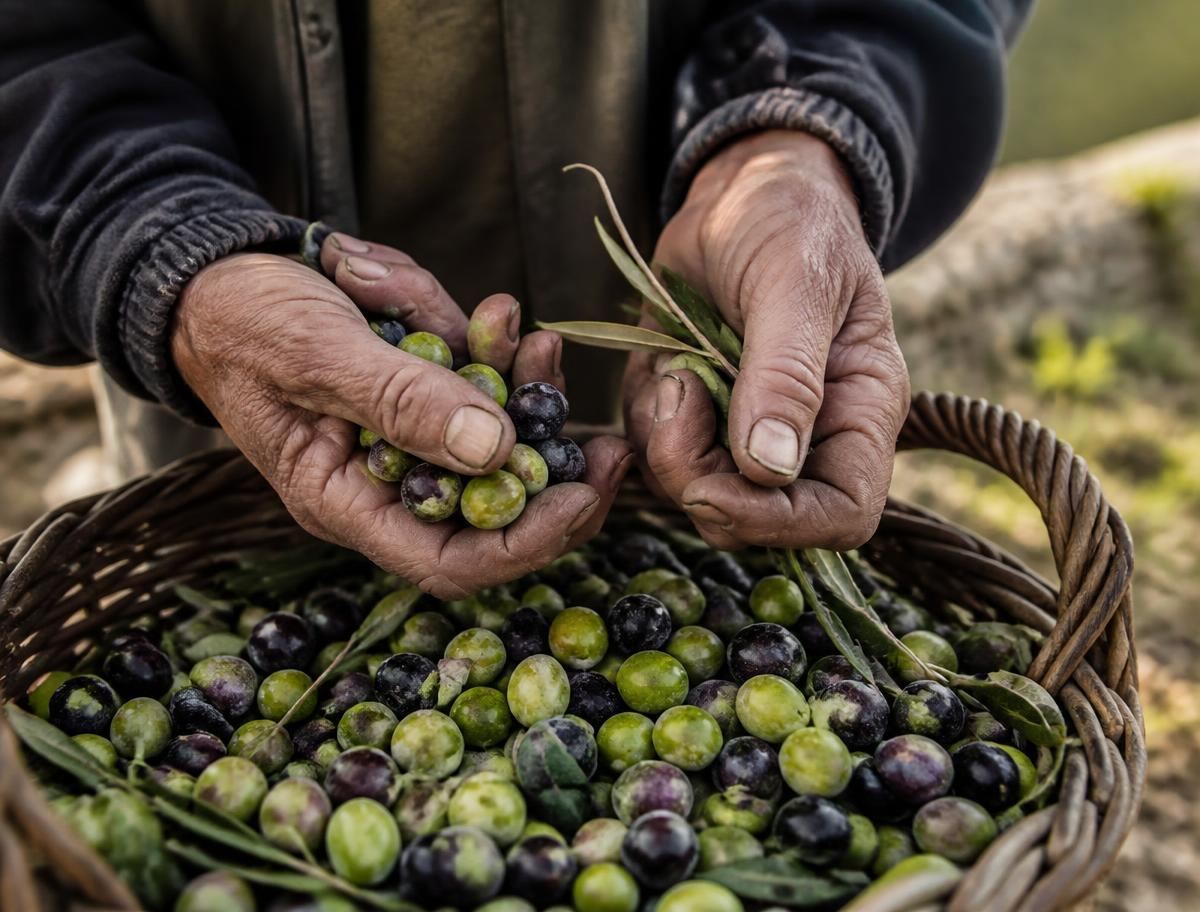
This is our home region: cork oaks, olive groves, whitewashed villages and enormous skies. Distances are bigger than they look, lunches run at their own pace and summer afternoons can be fiercely hot. Come to slow down, not to tick off towns.
- Where to stay
- Évora is the easiest first base; Monsaraz suits a slower rural stay, while Vila Nova de Milfontes works for the coast.
- Getting around
- A car is the practical choice outside Évora. Villages are spread out and public transport is limited between rural stops.
Évora
Inside Évora's walls, the Roman temple, cathedral roof, university lanes and Praça do Giraldo sit close together. The historic centre is compact, but it rewards an overnight stay after the day-trippers leave.
Visitor tip: Park outside the walls rather than navigating the narrow centre. The Chapel of Bones and cathedral have separate entry arrangements, so check same-day opening times.
Monsaraz
Monsaraz is a tiny walled hill village with wide views over vineyards, olive groves and the Alqueva reservoir. Its scale is part of the appeal: walk the main street, climb to the castle and stay for the changing evening light.
Visitor tip: Leave the car in the signed parking below the walls. Pair the village with a swim or boat trip at Alqueva, then stay after dark for stargazing away from streetlights.
Mértola and the Guadiana valley
Mértola rises steeply above the Guadiana, with Roman, Islamic and Christian layers spread between small museum sites, the castle and the former mosque that became the parish church.
Visitor tip: Wear shoes with grip—the streets are steep and polished. Allow more time than the town's size suggests because its museum collection is spread across several buildings.
Comporta and the Alentejo coast
Comporta sits between rice fields, pine forest and a long Atlantic shore. Continue south towards Porto Covo and Vila Nova de Milfontes for a less polished, more dramatic stretch of Alentejo coast.
Visitor tip: Beach parking fills early in high summer and the Atlantic can be rough. For a road trip, choose one or two beaches rather than losing the day hopping between car parks.
Our local advice: Plan the day around lunch and heat. Visit a town in the morning, book lunch for around 13:00, then save a lake swim, shaded walk or late-evening viewpoint for afterwards.
Central Portugal
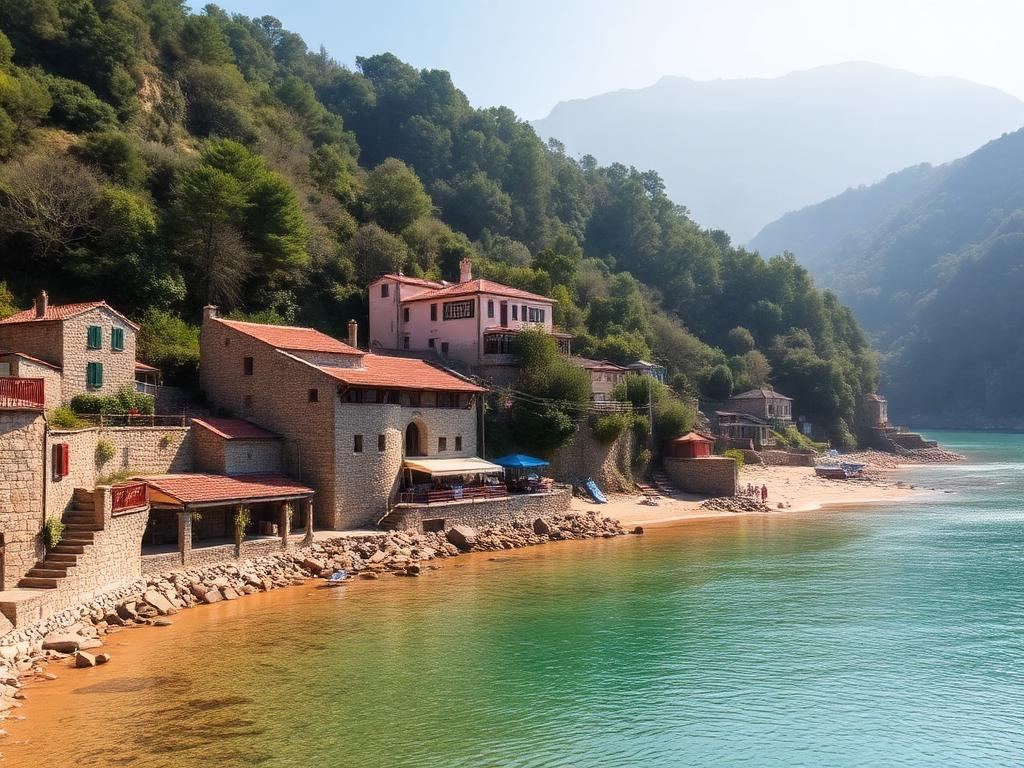
Central Portugal is the part many visitors cross without stopping. It holds university cities, Templar history, mountain roads, schist villages and river beaches where Portuguese families spend hot afternoons.
- Where to stay
- Coimbra works for history; Lousã for schist villages; Manteigas or Seia for Serra da Estrela.
- Getting around
- Use trains for Coimbra and Tomar, but hire a car for mountain villages, river beaches and Serra da Estrela.
The schist villages (Aldeias do Xisto)
The Aldeias do Xisto network spreads across several mountain areas rather than one single village. Talasnal and Cerdeira are convenient from Lousã; Piódão lies much farther east and deserves its own day.
Visitor tip: Choose two nearby villages and add a marked walk or river beach. GPS can suggest narrow shortcuts, so stay on signed main approaches where possible.
Serra da Estrela
Mainland Portugal's highest mountains have glacial valleys, granite plateaus, shepherding traditions and villages known for Serra da Estrela cheese. Manteigas is a useful base for walking and valley drives.
Visitor tip: Conditions can change quickly, and snow or wildfire risk may close roads seasonally. Check the forecast and road status before driving to the high plateau.
Coimbra
Coimbra climbs from the Mondego river to one of Europe's oldest universities. The university complex, Joanina Library, old cathedral and steep medieval lanes fit into a full day rather than a rushed stop.
Visitor tip: Reserve a timed university visit in busy periods and start uphill, then walk down through the old city. Comfortable shoes matter more here than a detailed schedule.
Tomar
Tomar's Convent of Christ grew from a Templar stronghold into a vast complex of cloisters, church and Manueline detail. Below it, the old town and riverside make an easy overnight stop between Lisbon and central Portugal.
Visitor tip: Give the convent at least two hours and arrive earlier in the day. Walking up is possible, but driving or taking a taxi saves energy for the large complex.
Our local advice: This region is best as two separate clusters: Coimbra, Lousã and the schist villages; then Serra da Estrela. Trying to add Tomar and the mountains in one day creates hours of driving.
Porto and the North
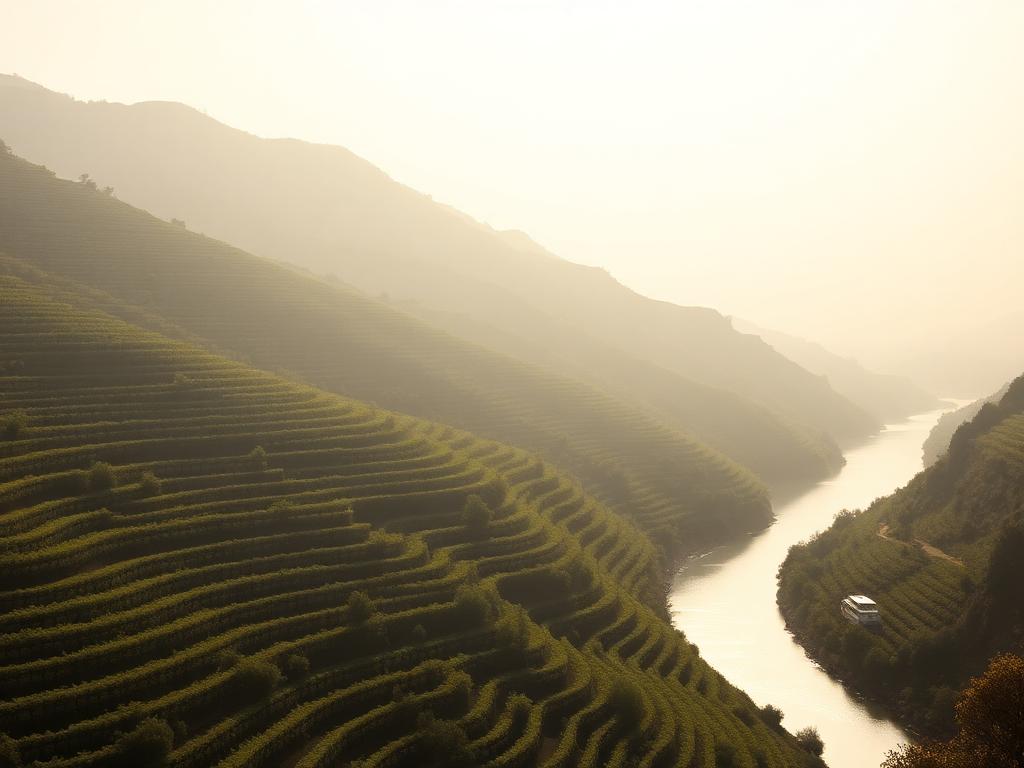
Northern Portugal is greener, cooler and often wetter than the south. Porto gives you tiled streets and a working riverfront; beyond it are the vineyard terraces of the Douro, granite Minho towns and the mountain landscapes of Peneda-Gerês.
- Where to stay
- Spend 2–3 nights in Porto, then move to the Douro or Gerês instead of treating both as rushed day trips.
- Getting around
- Porto is easiest without a car. Use the Douro railway for a scenic day, then rent a car only for rural wine estates or Gerês.
Porto
Porto is compact but steep, with tiled churches, food markets, riverside lanes and the port lodges across the Douro in Vila Nova de Gaia. Two full days cover the centre without turning it into a checklist.
Visitor tip: Walk downhill towards the river and use the metro or funicular for the return. Book only the cellar tour you genuinely want—there is much more to the city than tastings.
The Douro Valley
The Douro's vineyard terraces are best appreciated slowly. The train follows the river beyond Régua towards Pinhão; driving gives access to viewpoints and estates but demands concentration on narrow, winding roads.
Visitor tip: Reserve winery visits rather than arriving unannounced. If everyone wants to taste, take the train or book a driver instead of relying on one person to navigate.
Peneda-Gerês National Park
Portugal's only national park stretches across mountains, oak woods, reservoirs and granite villages. Its highlights are dispersed, so choose one gateway—such as Gerês, Lindoso or Soajo—and explore that area.
Visitor tip: Mobile signal can be patchy and summer access rules may change. Download maps, carry water, use marked trails and check park guidance before setting out.
Guimarães and Braga
Guimarães has a beautifully preserved medieval centre, castle and ducal palace. Braga adds the cathedral, busy squares and the monumental Bom Jesus do Monte staircase outside the centre.
Visitor tip: Both are straightforward by train from Porto, but combining them makes a long day. If time is tight, choose Guimarães for medieval streets or Braga for churches and Bom Jesus.
Our local advice: Do not keep a hire car while staying in central Porto. Parking and steep one-way streets add stress; collect it when you leave for the countryside.
Lisbon and Sintra
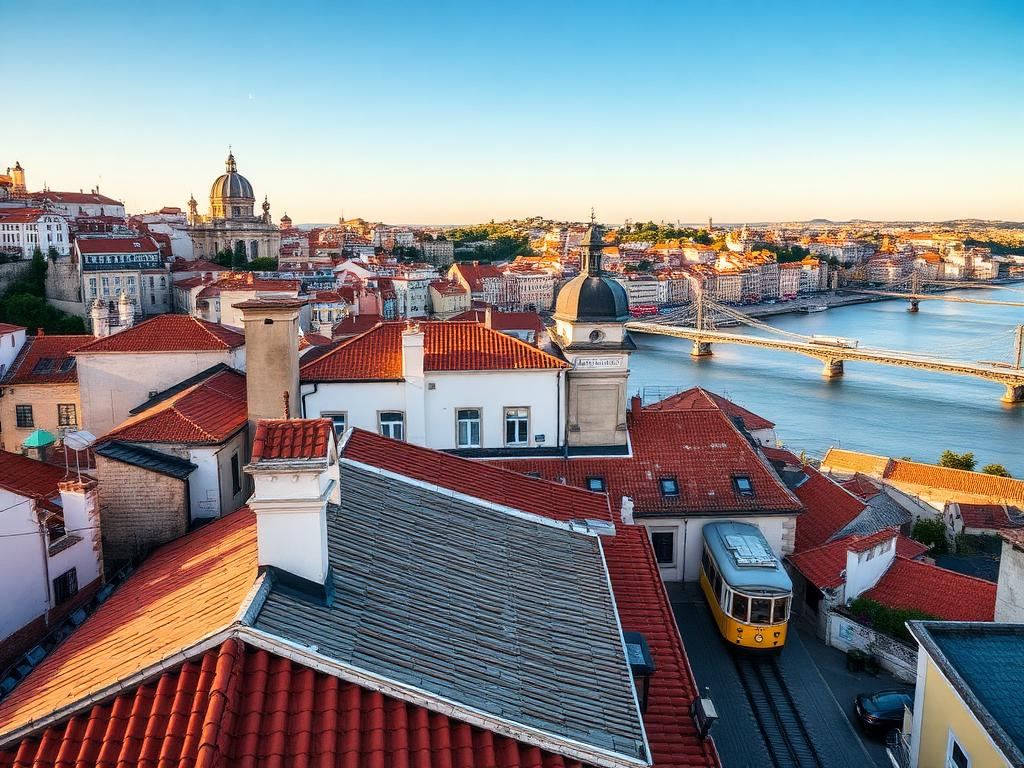
Lisbon is where many trips begin, but the wider region changes quickly: tiled neighbourhoods give way to Sintra's wooded hills, the open Atlantic at Guincho and the sheltered coves of Arrábida. Give the capital two or three full days before adding day trips.
- Where to stay
- Stay near a metro line in Lisbon; spend a night in Sintra only if you want the town before and after day-trip hours.
- Getting around
- Use trains and public transport for Lisbon, Sintra and Cascais. A car becomes useful for Arrábida, but not inside Lisbon or Sintra.
Alfama and Graça
Alfama's lanes climb from the cathedral towards the castle, while Graça sits higher with broad viewpoints over the roofs and river. The pleasure is in walking between small squares, tiled façades and everyday neighbourhood streets.
Visitor tip: Ride or walk uphill first, then explore downhill. Tram 28 is ordinary public transport and gets extremely crowded; do not build your whole morning around boarding it.
Sintra
Sintra's palaces and estates sit across steep, wooded hills rather than around one square. Pena Palace, the Moorish Castle, the National Palace and Quinta da Regaleira each take time to reach and explore.
Visitor tip: Book timed tickets where offered, arrive by train and use local transport. Pick two major sights; driving between them usually creates more trouble than it solves.
Cascais and the Guincho coast
Cascais has a walkable centre and sheltered town beaches at the end of the coastal railway. West of town, Guincho is a broad, exposed Atlantic beach backed by dunes and known for wind and surf.
Visitor tip: Use the train for Cascais. For Guincho, check wind and sea conditions before setting off, especially if your priority is swimming rather than surfing or a coastal walk.
Setúbal and Arrábida
Setúbal is a working port city with a strong fish-market culture. West of town, the limestone ridge of Arrábida drops to clear, sheltered coves including Galapos, Galapinhos and Portinho da Arrábida.
Visitor tip: Summer road access and parking around Arrábida beaches can be restricted. Check the current local arrangement and use seasonal shuttles where required.
Our local advice: Treat Lisbon and Sintra as separate days. Starting late, queuing for every palace and then rushing back for a Lisbon dinner is the most tiring version of both places.
The best time of year to visit Portugal
Portugal is a year-round country, but the right month depends entirely on which part you're heading for.
Spring (March–May)
Our favourite. Wildflowers across the Alentejo, green hills, warm days, cool evenings and no crowds. The sea is still cold.
Summer (June–August)
Hot inland — often above 38°C in the Alentejo — and busy on the coast. Best spent on the west coast, in the north or at river beaches.
Autumn (September–November)
The warmest sea of the year in September, the grape harvest in the Douro and the olive harvest here in the Alentejo from October.
Winter (December–February)
Mild and quiet in the south, wet in the north. Good for cities, thermal baths and cheap flights; poor for beach days.
How to fit it into one trip
Portugal looks small on a map, but changing hotels and reaching rural places consumes real time. Trying to see Lisbon, Porto and the Algarve in one week usually means experiencing motorways and check-in desks rather than Portugal.
5–7 days
Choose Lisbon with Sintra and the Alentejo, or Porto with the Douro and Guimarães. Stay in no more than two bases.
10 days
Join two neighbouring regions: Lisbon, Alentejo and the Algarve; or Porto, Douro and Central Portugal.
14 days
A north-to-south trip becomes realistic, but keep at least two nights in most bases and leave one unscheduled day.
Get our free hidden-gems map
Every place on this page, plus 50+ more spots across Portugal, pinned on a Google Maps list you can open on your phone. Free, straight to your inbox.
Go deeper
Our regional guides
Full digital guides to the Algarve, the north, central Portugal, road trips and family travel. Instant download, VAT included.
Compare all 80 beachesTaste the Alentejo
Our 2026 olive oil
Olive oil from the Alentejo groves in this guide. Join the free waitlist for the 2026 harvest, from €12,95 — delivery in April 2027.
Reserve your spot for the 2026 harvest
Our olives are picked this autumn and bottled over winter. Join the list for free — in March we email you a personal link to order your bottles before anyone else. The first batch is limited, so reserve your bottle now.