Free Portugal guide
Wild Portugal: river beaches, secret coves and hidden swimming spots
Beyond the resorts and the city breaks there is another Portugal: clear river pools in schist gorges, warm reservoir beaches under castle hills, waterfalls in the northern mountains and Atlantic coves with nobody on them. We live here and spend our free days in exactly these places — this is our guide to the wild side of the country.
Inspired by the spirit of the Wild Guide Portugal book by Edwina Pitcher (Wild Things Publishing) — if you enjoy this page, her book covers hundreds more spots and is well worth a place in your bag.
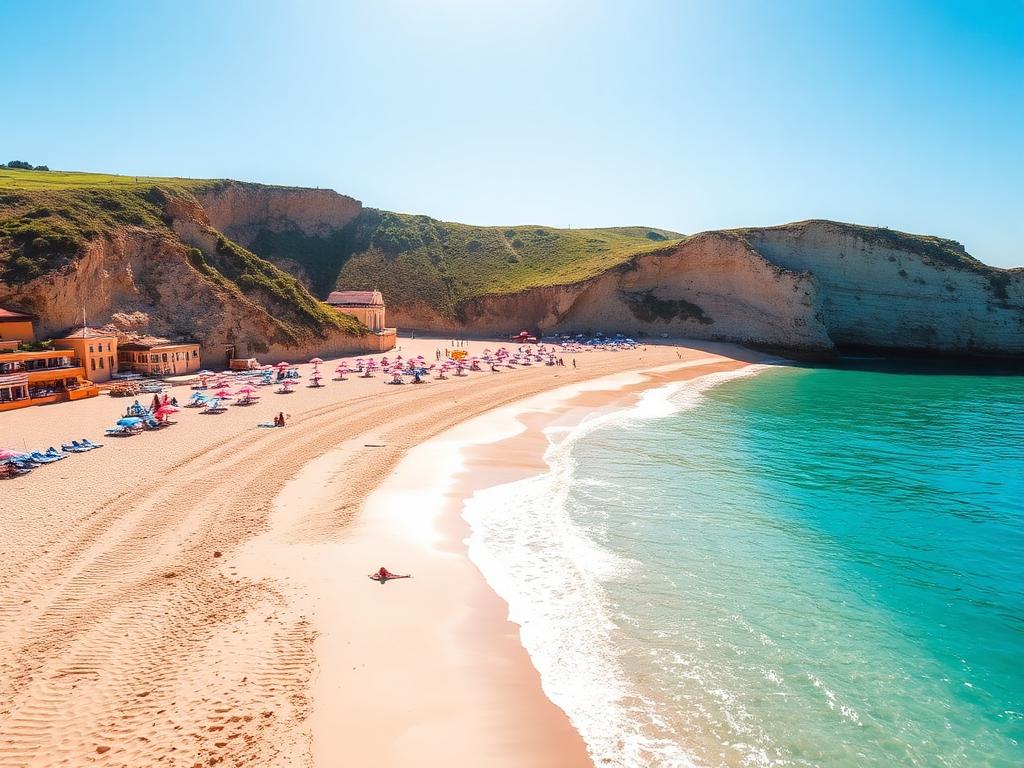
The Alentejo — our home
Best: April–June and September–October
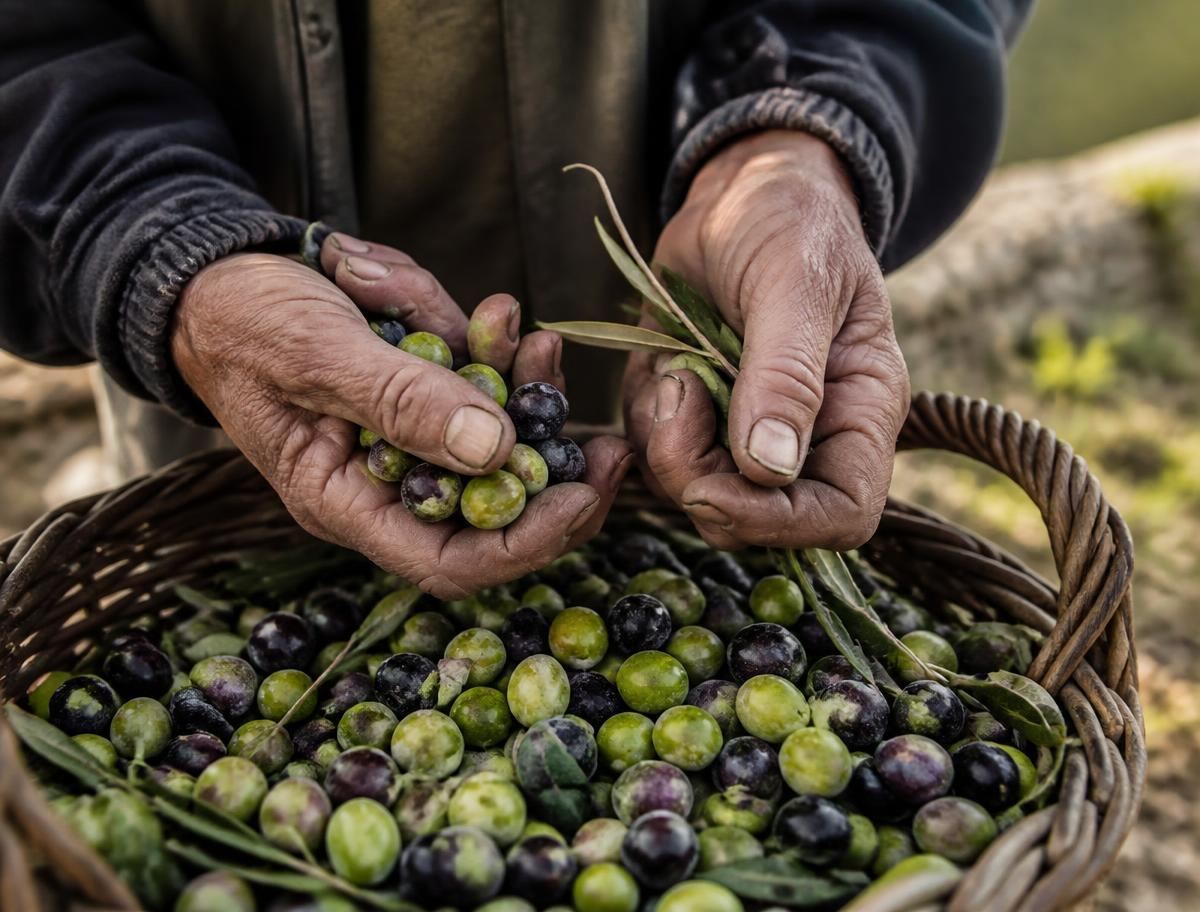
This is where we live, and where we spend our own summer afternoons. The Alentejo's wild side is not the sea but the water inland: the vast Alqueva lake, quiet river beaches on the Guadiana and its tributaries, and reservoir coves where the only sound is bee-eaters over the water. In spring the cork and olive hills are covered in wildflowers; in autumn the light turns the plains gold.
Praia fluvial de Monsaraz (Alqueva)
A proper river beach on the edge of the Alqueva reservoir, below the walled village of Monsaraz: marked swimming area, warm calm water and a view up to the castle. It is one of the easiest wild swims in Portugal for families.
Visitor tip: Combine it with an evening in Monsaraz — swim late, then walk up for dinner as the heat drops. In July and August arrive before noon for parking.
Pulo do Lobo waterfall
The Guadiana river squeezes through a narrow rock gorge at Pulo do Lobo, south of Mértola — the most dramatic stretch of the river in Portugal. There is a viewpoint above the falls and rough tracks along the gorge.
Visitor tip: This is a place to look, not to swim — the currents in the gorge are dangerous. Go in spring when the river runs full, and wear proper shoes for the rocky paths.
Mértola and the Guadiana
Below Mértola's castle hill, the Guadiana is wide and slow, with small river beaches and kayak hire in season. The town itself — Roman, Islamic and Christian layers in a few streets — is one of the most rewarding small towns in the south.
Visitor tip: Ask locally about kayak trips on the Guadiana; drifting down the river at dusk, with swifts overhead, is the best way to feel how wild this valley still is.
Cork oak and cistus hills around Vila Nova de São Bento
Our own neighbourhood: rolling montado — the open cork-oak landscape — with storks' nests on chimneys, wild cistus and lavender in spring, and more night sky than anywhere near the coast. There are no signposts; you explore by track and by curiosity.
Visitor tip: Spring (March–May) is the show: wildflowers everywhere. Walk early or late in summer, carry water, and close every gate you open — this is working farmland.
Our local advice: Inland water warms up long before the Atlantic. From late May you can swim comfortably at Alqueva while the ocean is still cold — and you will often have the shore to yourself on a weekday.
Central Portugal — river beach country
Best: May–September for swimming
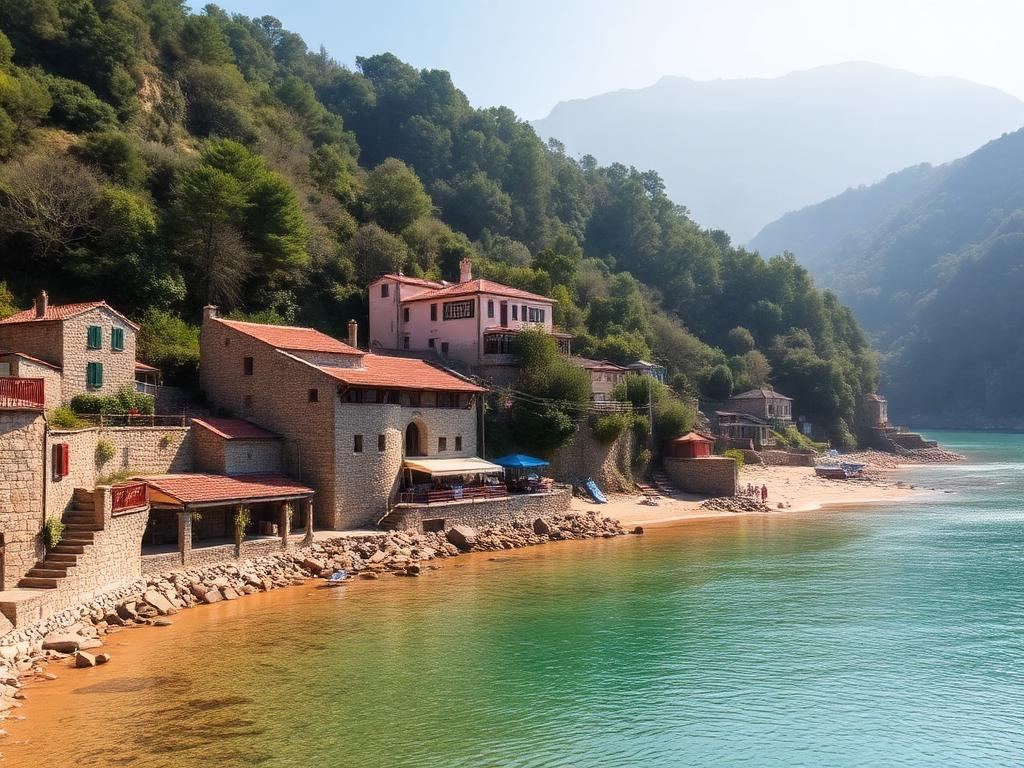
If wild Portugal has a heartland, this is it. The schist mountains between Coimbra and the Serra da Estrela are threaded with clear streams, and the Portuguese have turned the best pools into praias fluviais — river beaches with stone terraces, a café and often a lifeguard in summer. Around them are schist villages, chestnut woods and some of the quietest walking in the country.
Fragas de São Simão
A schist gorge near Figueiró dos Vinhos where the stream runs between towering rock slabs, with a wooden walkway, a rope swing and deep clear pools. One of the most photographed river beaches in the country, yet still calm outside August weekends.
Visitor tip: The walkway continues past the beach into the gorge — follow it to the old bridge for the best view back. Water shoes help on the schist.
Piódão and the Foz d'Égua pools
Piódão is the famous slate village stacked up a mountainside; a few minutes away, Foz d'Égua has a tiny stone bridge over two joined natural pools, icy and crystal clear even in August.
Visitor tip: The water is genuinely cold — it comes straight off the Serra do Açor. Swim at midday, then warm up with lunch in the village.
The schist villages of Lousã
Above the town of Lousã, a ridge of restored schist villages — Talasnal, Cerdeira, Candal — sits in chestnut and oak forest, with marked trails between them and deer and wild boar in the hills.
Visitor tip: Walk between two villages rather than driving: the PR trails are well marked, and arriving on foot is half the experience. Cerdeira has artist studios and a good café.
Serra da Estrela's glacial valleys
Mainland Portugal's highest mountains end in a high plateau of granite, boulders and small lakes. In summer you can swim in mountain lagoons; the Zêzere glacial valley below Manteigas is one of the great landscapes of Portugal.
Visitor tip: Weather changes fast up high — check the forecast before driving to the plateau, and expect snow closures in winter and fire restrictions in late summer.
Our local advice: River beaches are how Portuguese families do summer. Arrive around 11:00, swim, then lunch at the beach café or a picnic in the shade — the water is at its warmest late afternoon.
The Costa Vicentina — the wild coast
Best: May–June and September
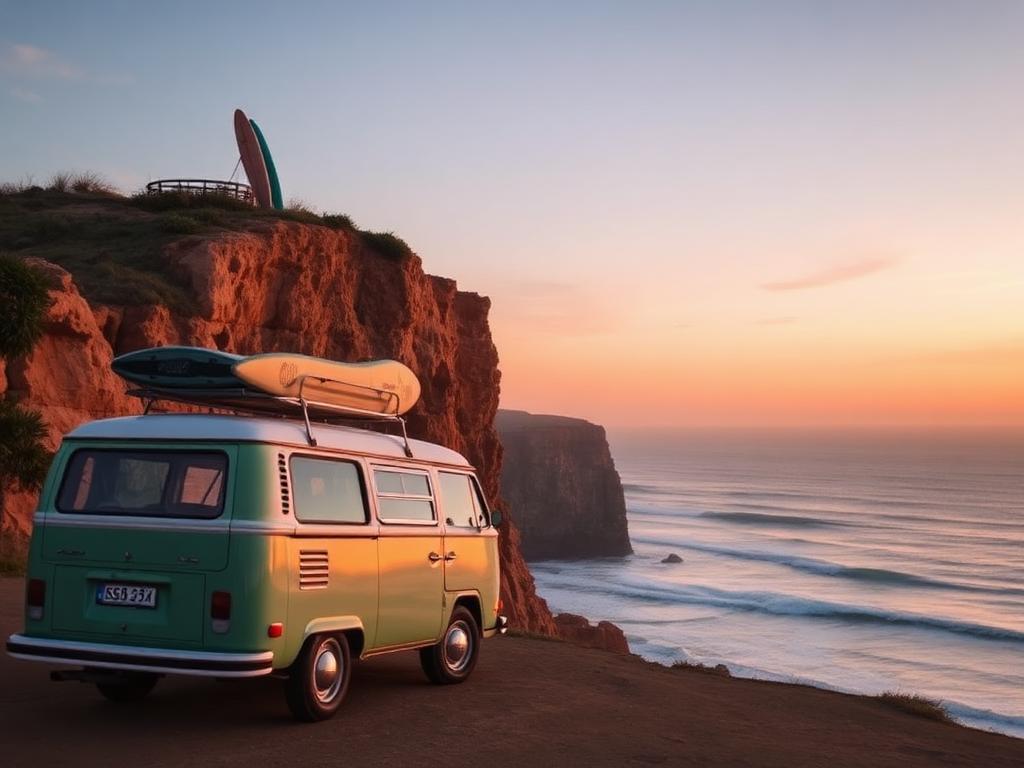
The southwest corner of Portugal is a protected natural park: no resorts, no high-rises, just cliffs, dunes, storks nesting on sea stacks and some of the emptiest beaches in Europe. The Atlantic here is cold and powerful — this is a coast for walking, surfing and wide-open space rather than lazy swimming.
Praia da Amoreira
Where the Aljezur river meets the sea: a huge beach with a calm river lagoon behind the dunes on one side and Atlantic surf on the other. Children play in the lagoon; surfers take the ocean. It is the best of both in one place.
Visitor tip: At low tide the lagoon is warm and shallow — perfect for small kids. Check tide times; the river mouth changes with the tide.
Odeceixe and its river beach
A whitewashed village above a river that curls through farmland to a broad beach. The Seixe stream pools just inland from the sand, giving a gentle alternative to the surf.
Visitor tip: Walk the cliff path south of the beach at golden hour — the view back over the river bend is one of the finest on the coast.
The Rota Vicentina fishermen's trail
A long-distance coastal path running the length of the park, always on or near the cliffs. You do not need to walk it end to end — any single stage between two villages gives you the full experience: empty coves, sea storks and no buildings.
Visitor tip: There is almost no shade and no water on the trail. Carry at least 1.5 litres per person, start early, and arrange a taxi back from the next village.
Arrifana
A surf beach in a dramatic cove below a ruined clifftop fortress, with a black rock stack offshore. The village above has easygoing restaurants; the view from the fortress point at sunset is the classic Costa Vicentina postcard.
Visitor tip: The beach is reached by a steep road with limited parking — in summer, park in the village and walk down.
Our local advice: The west coast is windiest in the afternoon. Walk or surf in the morning, then take a long lunch in Aljezur or Odeceixe — and never turn your back on the Atlantic on an unguarded beach.
The North — waterfalls and mountain pools
Best: June–September for swimming; spring for waterfalls
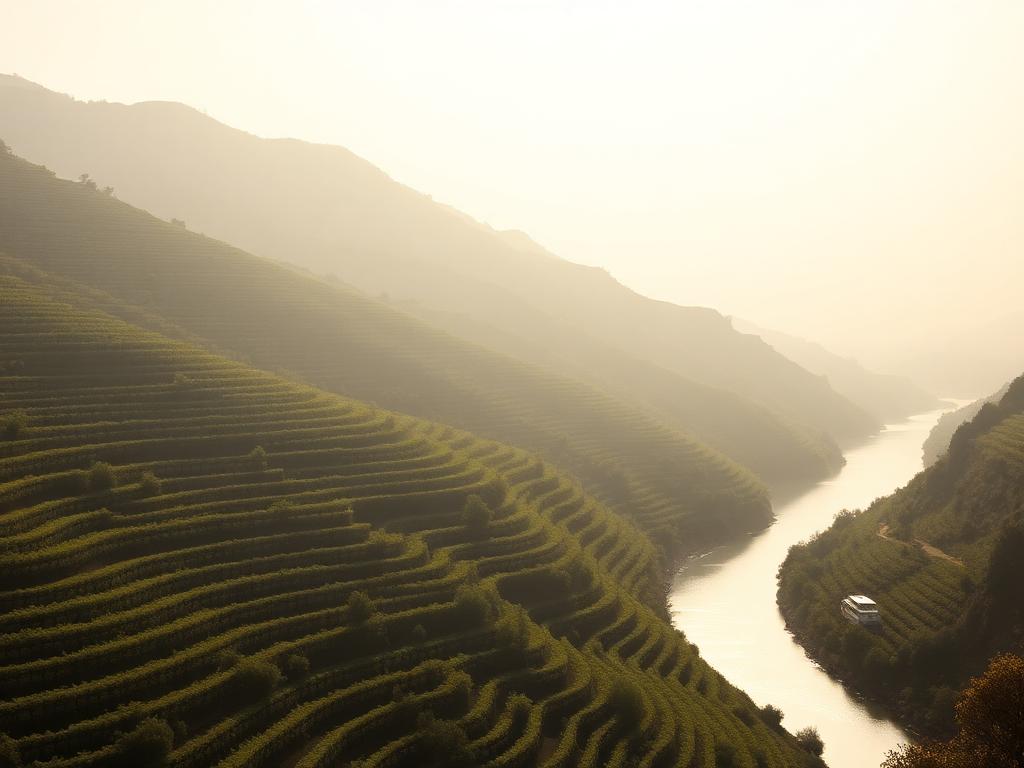
Green, wet and granite: the north is Portugal's waterfall country. Peneda-Gerês, the country's only national park, hides dozens of natural pools and cascades in its oak valleys, and the Minho rivers — the Coura, the Vez, the Lima — have deep swimming holes that locals have used for generations.
The lagoons of Gerês (Tahiti / Fecha de Barjas)
A chain of turquoise pools on the Arado river near Ermida, reached by a rough track and a short scramble down. Cold, clear water between boulders, with small cascades linking the pools — the most famous wild swim in Portugal.
Visitor tip: Parking is very limited and now regulated in season — arrive before 10:00 or expect to walk in. The rocks are polished smooth; take it slowly.
Poço Azul and the Vez river
Near Arcos de Valdevez, the Vez runs over granite slabs into deep green pools, with river beaches at Sistelo and along the valley. Sistelo itself — terraced fields under the mountains — is called 'little Portuguese Tibet' and earns the name.
Visitor tip: Combine a swim with the Sistelo boardwalks (passadiços) along the river — an easy, spectacular walk suitable for most fitness levels.
Cascata do Arado
A multi-tiered waterfall right beside the road between Ermida and Fafião, with a viewpoint from the old stone bridge below. One of the easiest impressive waterfalls to reach in the park.
Visitor tip: The rocks at the top are tempting but dangerously slippery — enjoy it from the bridge and the signed viewpoints.
Lindoso castle and the espigueiros
A frontier castle above the Lima valley, surrounded by a field of granite grain stores (espigueiros) — one of the most unusual sights in Portugal. The reservoir below has quiet swimming spots in summer.
Visitor tip: Come late afternoon when the day-trippers have gone; the light on the granite stores is at its best, and the castle keep is free to climb.
Our local advice: Waterfalls are at their best in spring after the rains; by late summer some reduce to a trickle, but the pools stay swimmable. Go on a weekday — Gerês pools are a local weekend tradition.
The Algarve — secret coves and sea caves
Best: May–June and September–October
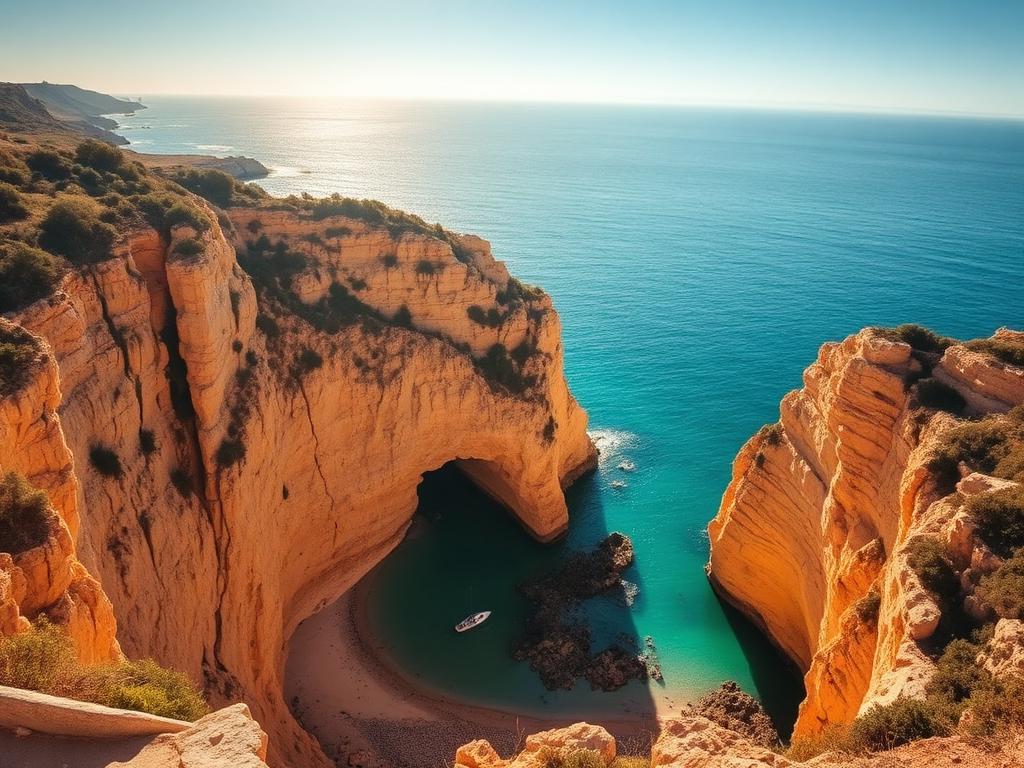
Yes, the Algarve has a wild side — you just have to work a little for it. Between the resort beaches lie coves you reach by tunnel, staircase or kayak, sea caves you can swim into, and an eastern lagoon of sand islands that feels like another country. Even in high summer, a ten-minute walk from the car park usually halves the crowd.
Benagil cave by kayak
The Algarve's famous sea cave, with its round skylight, sits a short paddle east of Benagil beach. Swimming in is possible but the boat traffic makes a kayak the safer and far more enjoyable way.
Visitor tip: Hire a kayak from Benagil beach first thing in the morning, and check the sea forecast — the cave is only safe in calm conditions.
Praia da Marinha and the Seven Hanging Valleys trail
Marinha is regularly called one of the most beautiful beaches in Europe: arches, stacks and clear water below honey-coloured cliffs. The clifftop trail from here to Vale de Centeanes passes sinkholes, arches and hidden coves the whole way.
Visitor tip: Walk the trail, then swim at Marinha at the end. The cliffs are unfenced and crumbly at the edges — keep children close and stay behind the lines.
Ilha de Tavira and the Ria Formosa
The eastern Algarve's barrier islands are reached by ferry or water taxi across the lagoon: kilometres of soft sand, few buildings and warm, sheltered water on the lagoon side. Ilha de Tavira and Ilha da Culatra are the easiest.
Visitor tip: Take everything with you — shade, water, food — and check the last ferry back. Walking fifteen minutes from the jetty usually means a near-empty beach.
Cacela Velha
A tiny whitewashed hamlet on a bluff above the eastern lagoon, with a small fort and what may be the finest view in the Algarve. At low tide, sandbanks appear below that you can wade to through warm, knee-deep water.
Visitor tip: Time your visit for low tide and bring shoes you can get wet. The village has a couple of simple restaurants — lunch with that view is the point.
Our local advice: The famous caves and coves are calmest before 10:00, when the sea is flat and the tour boats have not started. Go early, or go in June and September when the water is warm and the crowds are gone.
Practical and safety notes
Wild places stay wild only if visitors treat them well — and Portugal's summer conditions demand a little respect.
River beach etiquette
Praias fluviais are community places. Take your rubbish home, keep music low, and never light barbecues outside the provided stone grills — summer fire risk in Portugal is deadly serious.
Water safety
River pools can be cold and deep, and the Atlantic coast has powerful currents. Swim where locals swim, use lifeguarded areas when children are in the water, and never jump into water you cannot see the bottom of.
Fire risk and access
From June to October, forest access can be restricted on high-risk days and tracks may be closed. Check local signage and the ICNF guidance before heading into the hills.
What to pack
Water shoes for schist and granite, a hat and far more water than you think, offline maps (signal is patchy in Gerês and the schist villages), and a bag to carry everything out again.
Wild Portugal Guide · PDF
Take every spot with you — €24
The full downloadable guide: every river beach, waterfall and secret cove on this page with directions, parking, best times and safety notes, ready on your phone offline. VAT included, instant download after payment.
Get our free hidden-gems map
Every place on this page, plus 50+ more spots across Portugal, pinned on a Google Maps list you can open on your phone. Free, straight to your inbox.
Plan the trip
More free guides
Region by region advice, a free 7-day itinerary and our festivals and seasons calendar.
Taste the Alentejo
Our 2026 olive oil
Olive oil from the groves around our village. Join the free waitlist for the 2026 harvest, from €12,95 — delivery in April 2027.
Reserve your spot for the 2026 harvest
Our olives are picked this autumn and bottled over winter. Join the list for free — in March we email you a personal link to order your bottles before anyone else. The first batch is limited, so reserve your bottle now.