January to December
Portugal’s festivals, seasons and best moments
A practical year-round calendar for choosing when and where to go—from Lisbon’s June street parties to the Douro grape harvest and our Alentejo olive season.
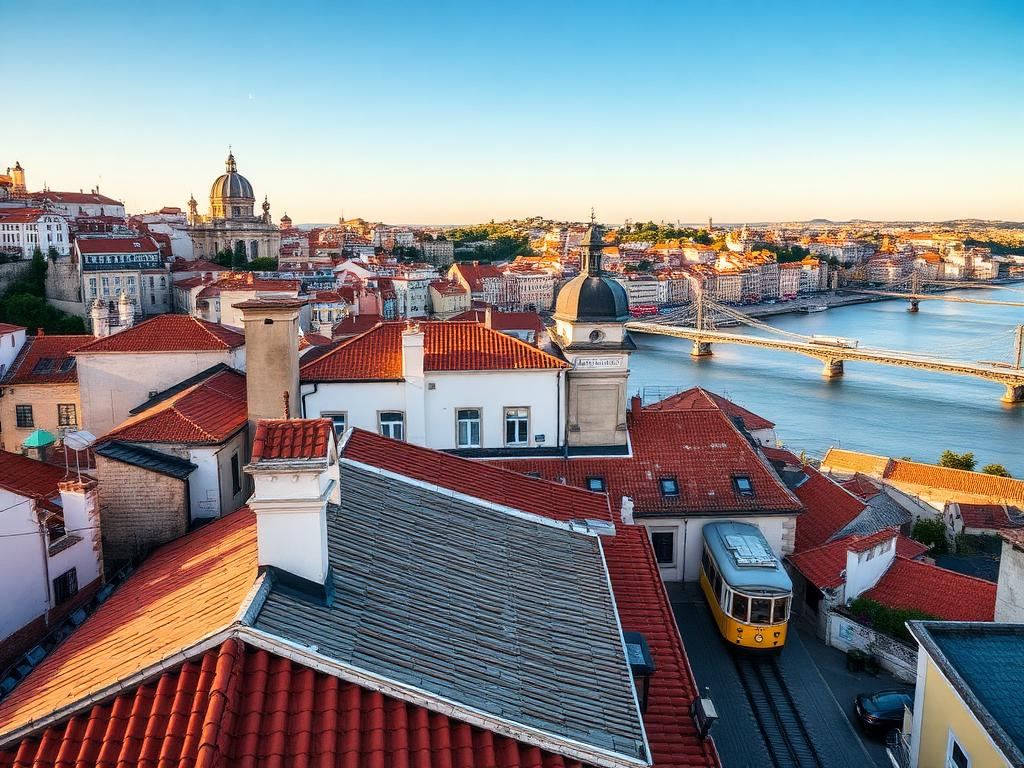
Festival dates can change each year, especially Carnival, Easter and harvests. Use the timing below to plan, then confirm the current programme with the official organiser before booking travel or accommodation.
01 / 12
January
Quiet cities, Atlantic waves and winter walking
Usually October–March; conditions decide the day
Big-wave season in Nazaré
Nazaré · Central Portugal
North Beach can produce the enormous Atlantic swells that made Nazaré famous. There is no fixed show date: surfers and organisers wait for the right forecast.
Visitor tip: Treat the waves as a possible bonus, not a guaranteed event. Watch from official viewpoints and obey closures around the fort and cliffs.
All month
A quieter Lisbon and Porto
Lisbon and Porto
January is one of the calmest times for museums, tiled streets, markets and long lunches. Expect short days and more rain in the north.
Visitor tip: Build indoor alternatives into each day and check the live forecast before a day trip.
02 / 12
February
Carnival colour and the first blossom
February or early March; follows the Easter calendar
Carnival
Torres Vedras, Loulé and towns nationwide
Portugal marks the days before Lent with parades, costumes and local satire. Torres Vedras is known for a traditional street carnival; Loulé hosts one of the Algarve's best-known parades.
Visitor tip: Exact dates move every year. Reserve accommodation early in the main carnival towns and expect road closures on parade days.
Usually February into early March
Almond blossom
Trás-os-Montes and the eastern Algarve
White and pale-pink blossom appears across parts of the north-east and Algarve before spring properly begins. Timing changes with winter temperatures.
Visitor tip: Do not plan a whole trip around one predicted blossom weekend; combine it with villages, walks and local food.
03 / 12
March
Wildflowers, walking weather and Easter traditions
Usually March–May
Alentejo wildflowers
Évora, Monsaraz and rural Alentejo
Green fields, roadside flowers and mild days make this one of our favourite periods in the region. It is a very different landscape from the dry gold of summer.
Visitor tip: A car is the practical way to reach rural villages, but leave time for slow roads and long lunches.
March or April; the week before Easter
Holy Week in Braga
Braga · Northern Portugal
Braga's Semana Santa brings evening processions, church ceremonies and centuries-old religious traditions to the historic centre.
Visitor tip: Procession times and routes change each year. Check the organiser's current programme and be respectful around services.
04 / 12
April
Spring road trips and flower-filled landscapes
All month
Spring in the schist villages
Lousã and Central Portugal
Cooler walking temperatures, running streams and green hills suit short trails between Central Portugal's stone villages.
Visitor tip: Choose two nearby villages rather than following narrow mountain roads all day. Carry a light rain layer.
Usually April or May
Madeira Flower Festival
Funchal · Madeira
Funchal celebrates spring with floral displays, performances and a major parade. The programme extends beyond one day.
Visitor tip: The dates vary and flights fill quickly. Confirm the official programme before booking around the parade.
05 / 12
May
University traditions and warm, uncrowded coasts
Usually May
Queima das Fitas
Coimbra
Coimbra's student celebration fills the university city with academic traditions, music and late-night activity.
Visitor tip: The centre is much louder and busier than usual. Stay outside the student areas if nightlife is not the reason for your visit.
All month
Shoulder-season Algarve
The Algarve
Longer days and warmer weather arrive before the busiest summer weeks. It is a strong month for cliff walks, town visits and quieter beaches.
Visitor tip: The sea can still feel fresh. Choose lifeguarded beaches when services have started and keep away from unstable cliff edges.
06 / 12
June
Street parties, sardines and Portugal's longest evenings
Main night: 12 June into 13 June
Santo António
Lisbon
Lisbon's historic neighbourhoods fill with grilled sardines, music, decorations and street parties for the city's patron saint celebrations.
Visitor tip: Walk or use public transport: streets close and taxis struggle near Alfama, Mouraria and Bica. Expect crowds late into the night.
Main night: 23 June into 24 June
São João
Porto
Porto celebrates São João with street food, music, playful plastic hammers and crowds moving downhill towards the Douro.
Visitor tip: Book a central bed well ahead, wear comfortable shoes and decide your route home before public transport becomes crowded.
07 / 12
July
Medieval streets, river beaches and hot inland days
Usually several weeks in July
Óbidos Medieval Market
Óbidos · Central Portugal
The walled town stages performances, costumed processions, food stalls and historical entertainment during its annual medieval market.
Visitor tip: Visit on a weekday or early in the session. Parking sits outside the walls and the cobbled lanes are steep and crowded.
July–August
River-beach season
Central and Northern Portugal
Praias fluviais become the local answer to hot inland afternoons, especially around the schist villages and mountain valleys.
Visitor tip: Facilities and supervision vary. Use designated bathing areas and check local fire restrictions before driving into forested regions.
08 / 12
August
Pilgrimages, packed beaches and lively village nights
Usually around 20 August
Romaria de Nossa Senhora d'Agonia
Viana do Castelo · Northern Portugal
One of northern Portugal's best-known pilgrimages combines religious ceremonies with folk dress, music, decorated streets and processions.
Visitor tip: Confirm the annual programme and travel by train where practical; central roads and parking become extremely busy.
Especially the first three weeks of August
Peak Portuguese holiday season
Coasts and villages nationwide
Portuguese families return to home towns and the coast, bringing festivals and full restaurants—but also the year's highest pressure on beaches and roads.
Visitor tip: Reserve stays and key meals, start beach days early and avoid long inland walks during the afternoon heat.
09 / 12
September
Warm seas, grape harvest and calmer road trips
Usually September into early October
Douro grape harvest
Douro Valley
Vindima brings grape picking and harvest activity to the Douro's steep vineyard terraces. Timing depends on the grapes, altitude and weather.
Visitor tip: Only join harvest activities offered by a quinta, reserve ahead and use the train or a driver if everyone plans to taste wine.
Usually September
Portugal's warmest sea window
Algarve and Lisbon coast
The ocean has had all summer to warm while school-holiday crowds begin to ease. Days remain bright, especially in the south.
Visitor tip: Atlantic currents and wind still change quickly. Check beach flags rather than judging conditions from the shore.
10 / 12
October
Olives, migratory birds and softer autumn light
Typically October–December
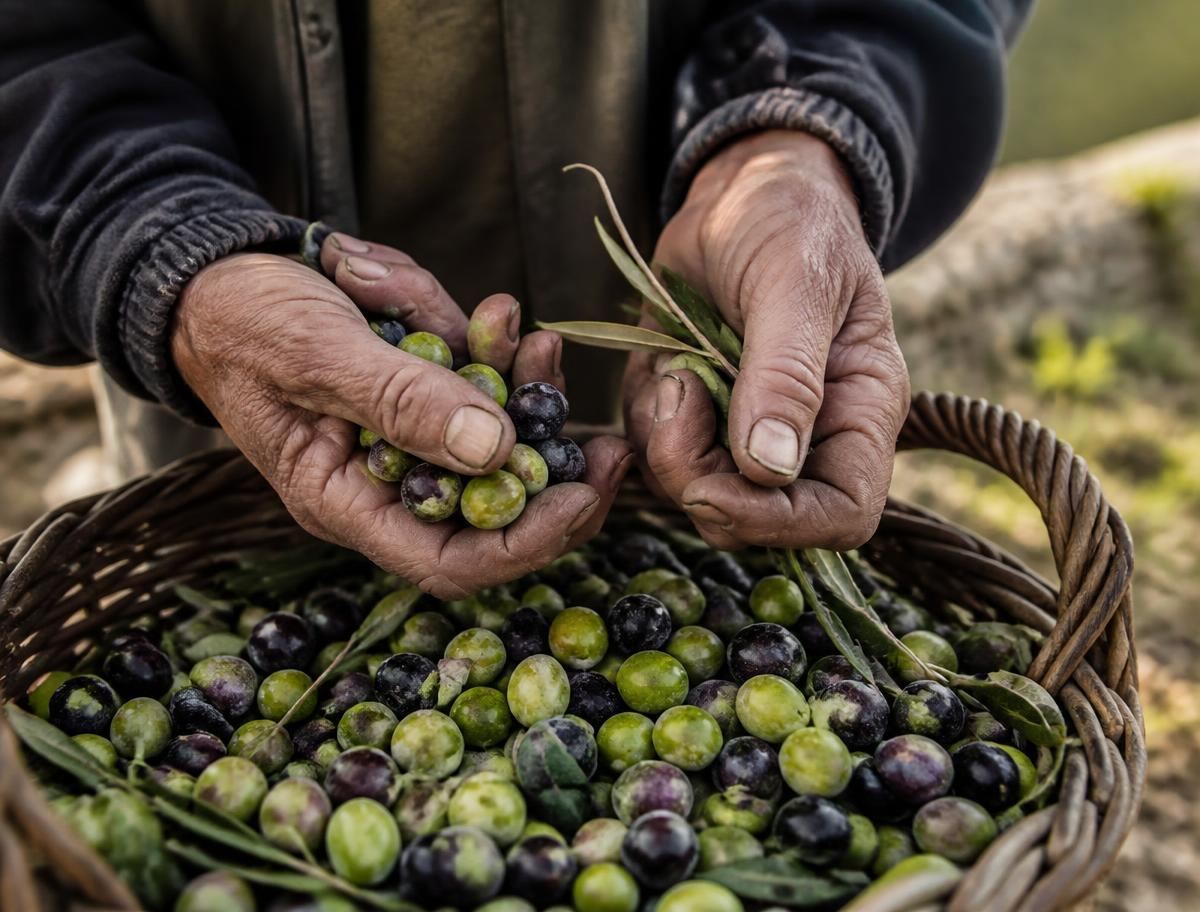
Olive harvest begins
The Alentejo
Harvest timing follows the fruit. Groves become active as olives are picked and taken quickly to the mill for the new season's oil.
Visitor tip: Working groves and mills are not automatically visitor attractions. Arrange any visit in advance and never enter private farmland uninvited.
Late September and October
Autumn bird migration
Sagres and the Algarve
Sagres is a major autumn migration area, with birds passing the south-western edge of Portugal and an annual birdwatching programme usually held in October.
Visitor tip: Bring layers for exposed headlands and use organised walks if you are new to identifying migrating birds.
11 / 12
November
Chestnuts, new wine and the new olive oil
11 November and nearby weekends
São Martinho
Towns and villages nationwide
Portugal marks Saint Martin's Day with roasted chestnuts and água-pé or new wine. Local celebrations range from small village gatherings to larger fairs.
Visitor tip: Look for municipal programmes close to where you are staying; the most memorable celebrations are often local rather than national attractions.
During and just after harvest
Fresh olive oil season
Alentejo and olive-growing regions
New oil starts appearing as local mills press the season's fruit. Its flavour can be vivid, green and peppery before settling over time.
Visitor tip: Ask producers about harvest date, storage and origin rather than relying only on a decorative label.
12 / 12
December
Christmas lights, village traditions and a dramatic island finale
Late November through December
Christmas markets and nativity traditions
Lisbon, Óbidos, Porto and towns nationwide
Seasonal lights, markets and presépios appear across Portugal. Programmes vary widely, from city-centre installations to village nativity scenes.
Visitor tip: Check local opening days around 24–25 December, when transport and many businesses run reduced hours or close.
31 December
Madeira New Year's Eve fireworks
Funchal · Madeira
Fireworks around Funchal Bay make New Year's Eve one of Madeira's biggest annual visitor moments.
Visitor tip: Book flights and accommodation far ahead and confirm how you will reach your viewpoint because central roads and parking are restricted.
Turn a month into a route
Build your trip around the moment
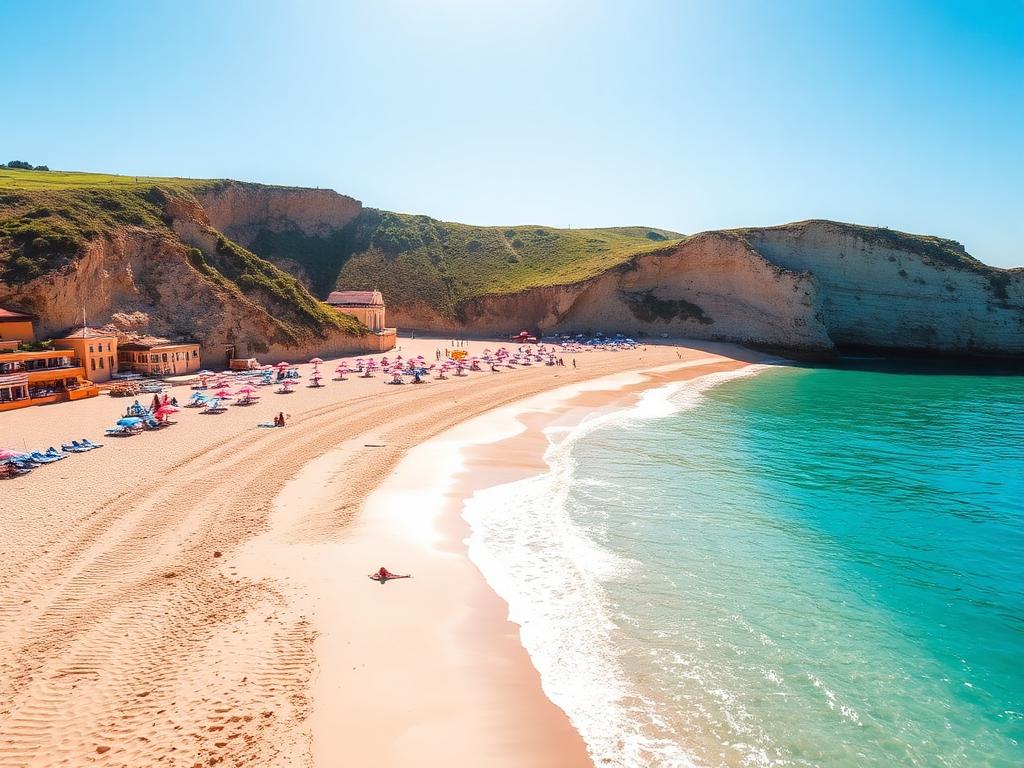
Pick your dates and interests, then use our planner to shape a realistic route without spending the whole holiday moving hotels.
October to December
Follow our Alentejo olive harvest
See when the olives are picked, pressed, settled and bottled—and why the new harvest cannot be rushed to your door.
Read the harvest timeline