14 September 2026
A month by month guide to visiting the Alentejo
A practical guide to the changing seasons and climate of the Alentejo to help you choose the best time for your visit.
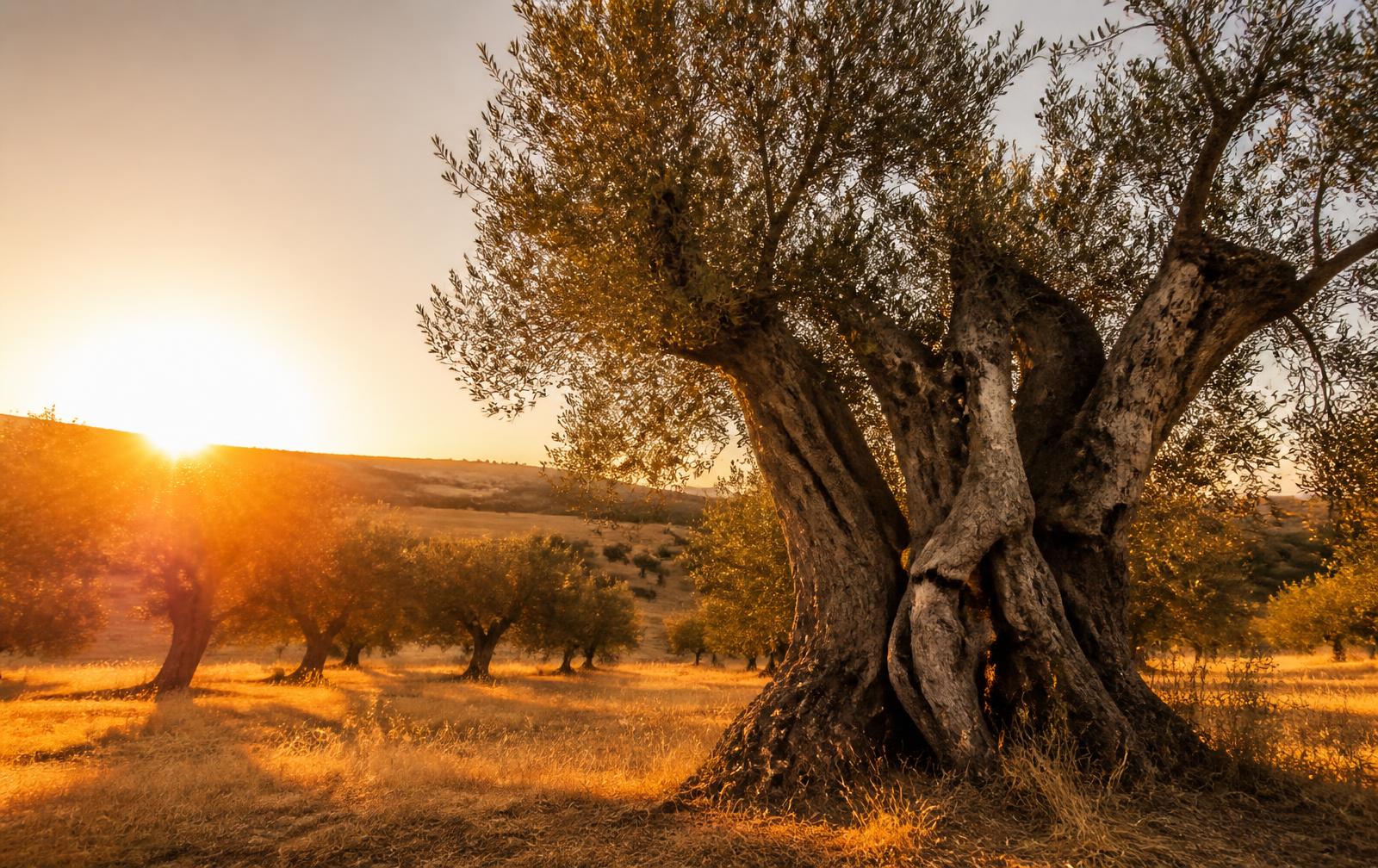
Choosing when to visit the Alentejo depends largely on your tolerance for heat and your interest in outdoor activities. As a family living here year-round, we see how the landscape shifts from the lush greens of late winter to the burnt ochre of August. The region follows a distinct Mediterranean cycle, but the lack of Atlantic humidity means the extremes of temperature are often more pronounced than on the coast.
## January and February
These are the coldest months in the Alentejo. While the sun often shines, daytime temperatures hover between 10°C and 15°C. At night, frost is common in the interior plains around Beja and Évora. This is a quiet time for tourism, but it is excellent for walking if you are prepared for crisp air. The landscape begins to turn a deep green as the winter rains soak the soil. If you visit now, ensure your accommodation has a reliable heat source like a wood-burning stove, as traditional Alentejo houses are designed to keep heat out, not in.
## March and April
Spring arrives early in the south. By March, the wildflowers begin to appear, and by April, the meadows are full of colour. Temperatures usually rise to the high teens or low twenties. This is arguably the best time for hiking the Rota Vicentina or exploring the megalithic sites around Évora. The days are longer, but the air remains cool enough for physical exertion. Rain is still a possibility, often arriving in short, heavy bursts followed by clear skies.
## May and June
May is often considered the peak month for natural beauty. The storks are nesting on chimneys and electricity pylons, and the hills are still green. Temperatures move into the mid-twenties. By June, the heat begins to build, often reaching 30°C. This is the time when the cork oak harvest begins. You will see teams of workers stripping the bark from the trees, a traditional process that happens every nine years for each tree. The coastal areas remain slightly cooler due to the sea breeze, making June an ideal time for the beaches of the Costa Alentejana before the school holidays begin.
## July and August
High summer in the Alentejo is intense. In the interior, temperatures frequently exceed 35°C and can reach 40°C or more. We generally advise against strenuous outdoor activity during the middle of the day. Life slows down significantly; locals finish their work by noon and stay indoors until the sun begins to set. If you visit now, your itinerary should revolve around water, whether that means the Atlantic coast or the river beaches of the Alqueva reservoir. The nights remain warm, which is pleasant for outdoor dining, but the dryness of the air means the landscape turns brown and the risk of fire increases.
## September and October
September brings a slight relief from the heat, though it often remains in the high twenties. This is the season of the grape harvest. If you are interested in wine, this is a productive time to visit the estates around Borba and Estremoz. By October, the first rains usually arrive, and the parched earth begins to recover. The light in autumn is particularly soft and golden, which is valued by photographers. Temperatures are similar to spring, making it another excellent window for walking and cycling.
## November and December
In November, the focus shifts to the olive harvest. The weather becomes more unpredictable, with more frequent rain and a noticeable drop in evening temperatures. December is often damp, but the towns are peaceful. This is the time to enjoy the region’s heavy, warming cuisine, such as Migas or ensopado de borrego (lamb stew). While not a time for sun-seeking, the interior towns like Elvas and Monsaraz have a particular atmospheric quality in the winter mist.
## Summary of seasonal considerations
To help you plan your logistics, keep these practical points in mind regarding the seasons:
- Wildflowers are at their peak from late March to early May.
- The cork harvest typically runs from late May through July.
- Most outdoor festivals and village 'festas' occur in August and September.
- The grape harvest usually begins in late August or early September.
- Bird migration is most visible in autumn and spring.
## Weather and clothing
We recommend a layered approach to clothing regardless of when you visit. Even in the heat of summer, a light breeze on the coast can feel cool once the sun sets. In winter, the sun is strong enough to feel warm during the day, but you will need a heavy coat for the evenings. Waterproof footwear is essential if you plan to walk between November and March, as the clay-heavy soil in some parts of the Alentejo can become very muddy.
Ultimately, if your goal is to be active outdoors, aim for the months of April, May, or October. If you prefer the beach and slow afternoons, June and September offer the best balance of warmth and manageable crowd levels. The interior is a land of extremes, and respecting the local rhythm of the day is the best way to enjoy it.
Planning a trip to Portugal?
Build a route in a few minutes with our free trip planner, or read the full seven-day itinerary.