25 September 2026
How to eat well in Portugal: markets, tascas and the menu of the day
The single best food decision in Portugal costs under ten euros. How the prato do dia works, which markets are worth your morning, and what to order when the menu is only in Portuguese.
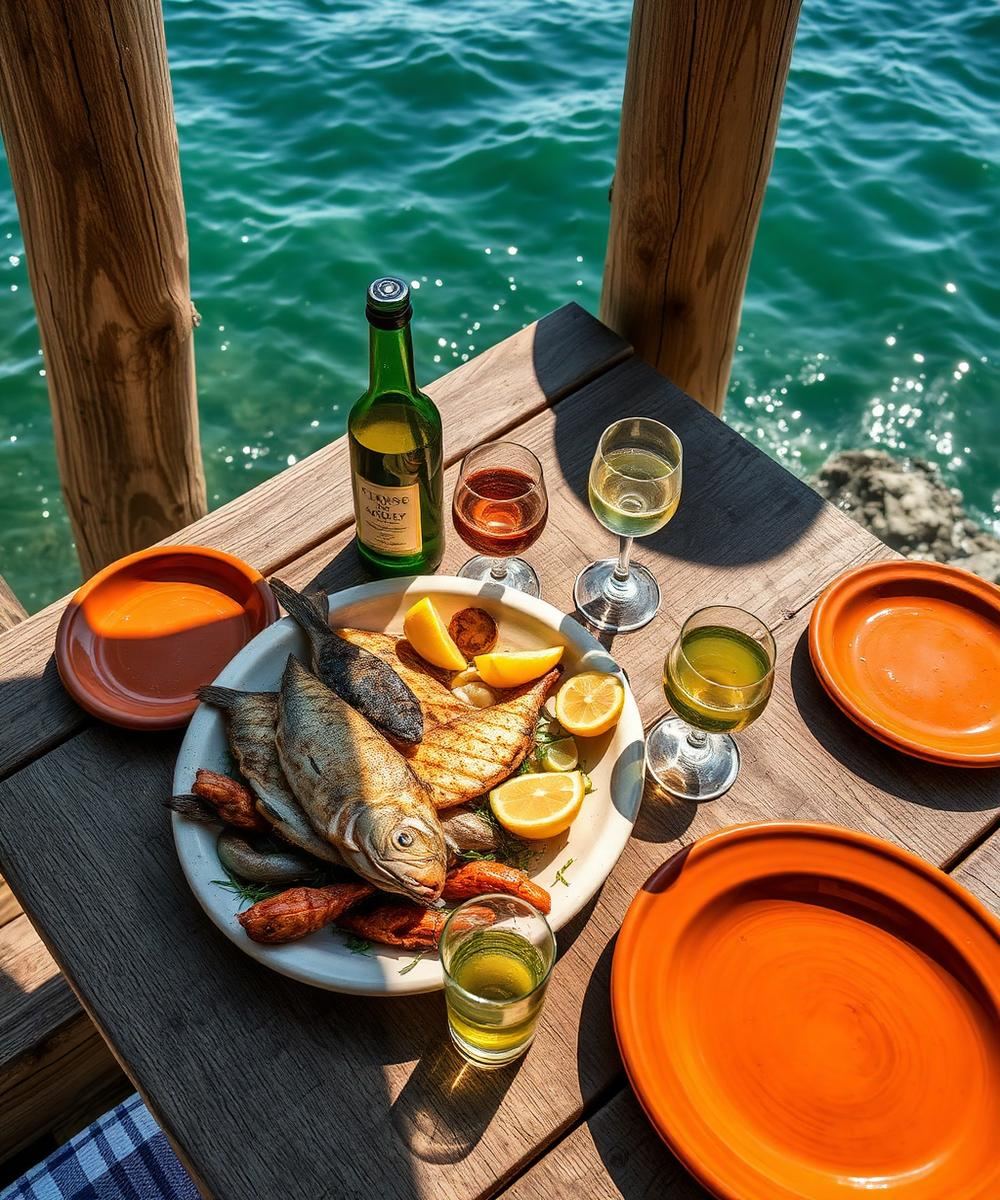
How to eat well in Portugal: markets, tascas and the menu of the day
The best meal you will have in Portugal will probably cost less than ten euros and come from a restaurant with a handwritten menu taped to the door. Here is how to find it.
The prato do dia is the whole trick
At lunch, almost every tasca — the small family-run restaurants — serves a prato do dia: a dish of the day with soup, bread, a drink and coffee, usually for eight to twelve euros. It is what the kitchen is actually cooking that day, which means it is what is fresh. Office workers eat it, builders eat it, and you should too.
The menu will be in Portuguese only. The phrases that matter: peixe (fish), carne (meat), sopa (soup) and do dia (of the day). Pointing and smiling is a completely acceptable ordering strategy.
Go to the market in the morning
Every town has a mercado municipal, and the best ones double as breakfast. In Lisbon, the Mercado de Campo de Ourique is the locals'' version of the famous (and crowded) Time Out Market. In the Alentejo, the Evora market on a Saturday morning is where restaurants buy their vegetables — and where you can buy cheese, olives and bread for a picnic for a few euros.
Markets close by early afternoon and are usually closed on Mondays. Go before ten for the full experience.
What to order when you cannot read the menu
A short list of dishes that rarely disappoint:
- Sardinhas assadas — grilled sardines, in season roughly June to September
- Porco a alentejana — pork with clams, the Alentejo classic
- Arroz de pato — duck rice, comfort food in a baking dish
- Caldo verde — potato and kale soup, the default starter
- Pastel de nata — obviously, but eat it warm with cinnamon, standing at a counter
The olive oil test
A good tasca puts a bottle of olive oil on the table without being asked, and it will be Portuguese. Try it on bread before your food arrives. If it is grassy and a little peppery at the back of your throat, you are in a place that cares. That peppery catch is the sign of fresh, early-harvest oil — the same style we bottle from our own harvest, which you can read about here.
Two habits worth copying
First, lunch is the main meal. Restaurants that seem closed at dinner were full at one o''clock. Second, the couvert — the bread, olives and cheese that appear at the start — is not free, but it is not a scam either. A few euros for good olives and local cheese is fair; just say no politely if you do not want it.
Eat where the handwritten menu is, lunch like a local, and you will eat better in Portugal than in almost anywhere in Europe.
Planning a trip to Portugal?
Build a route in a few minutes with our free trip planner, or read the full seven-day itinerary.