14 September 2026
The olive harvest season in rural Portugal
A practical guide to the traditional olive harvest in the Alentejo, covering the timing, methods and local production process.
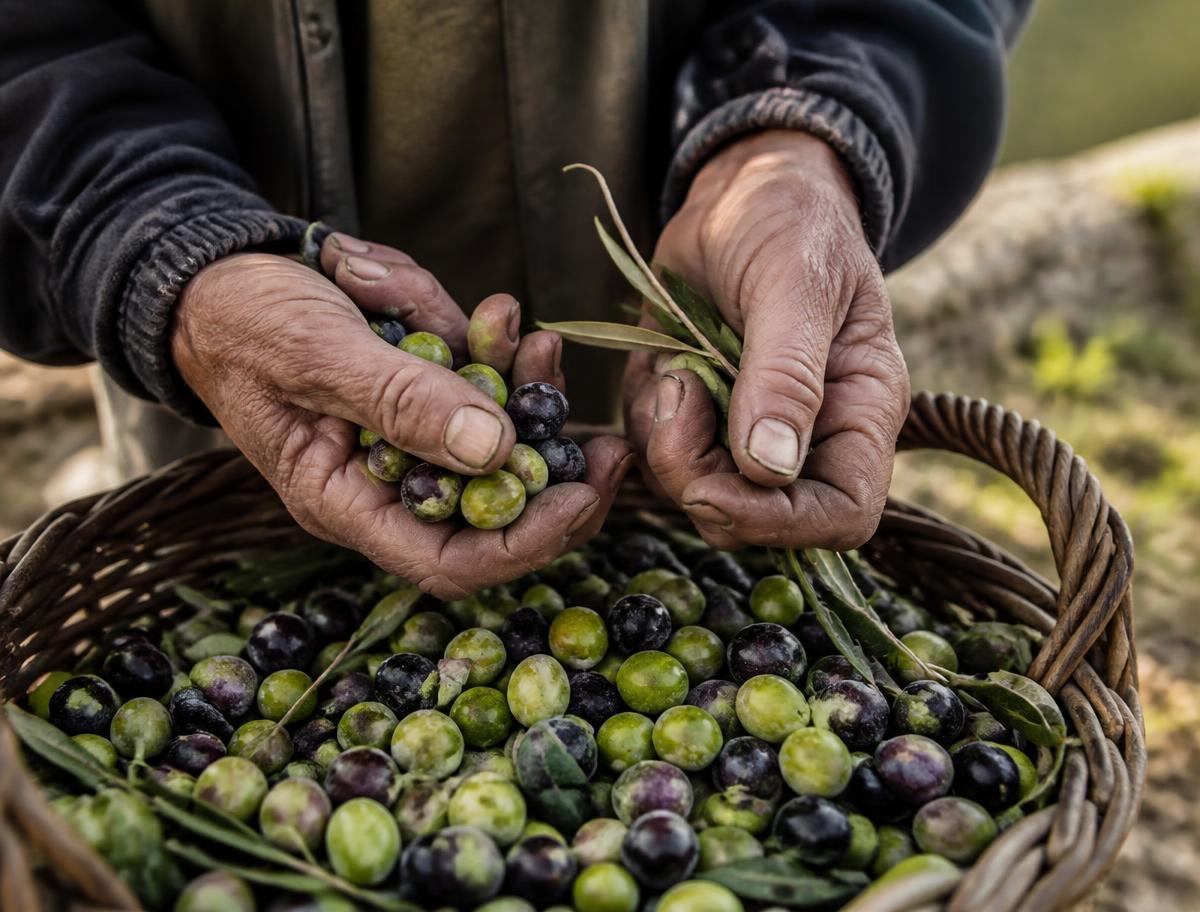
As the heat of the Portuguese summer fades and the autumn rains arrive, the landscape of the Alentejo shifts its focus from the cork harvest to the olive groves. For those of us living in rural Portugal, this period between late October and early January is the busiest and most communal time of the year. It is a season defined by the sound of vibrating poles, the smell of crushed fruit at the local press and the sight of green nets spread beneath ancient trees.
The timing of the harvest
The exact start of the harvest depends on the weather and the desired style of oil. In a typical year, picking begins in late October or early November. Early harvests produce 'azeite novo' which tends to be greener, more peppery and higher in polyphenols. As the season progresses into December and January, the olives ripen further, turning from green to purple and eventually black. These later harvests yield more oil per kilogram, but the flavour is usually milder and more buttery.
Weather is the deciding factor for daily work. We cannot harvest when the trees are wet, as moisture trapped in the transport bins can cause the fruit to ferment or develop mould before it reaches the mill. If a heavy rainstorm occurs, work stops for several days until the groves have dried sufficiently.
Traditional and modern methods
In the smaller, traditional groves that surround our villages, the harvest remains a manual process. We spread large nylon nets across the ground, overlapping them to ensure no fruit falls onto the soil. Small handheld mechanical rakes or vibrating poles are used to shake the branches, causing the olives to drop into the nets. Once a tree is finished, we gather the corners of the nets, remove any large twigs or stones by hand, and pour the olives into ventilated plastic crates.
In the newer, intensive plantations found near the Alqueva reservoir, the process is industrial. Large over-the-row harvesters move through the lines of trees, stripping the fruit in a matter of seconds. While these machines are efficient, they require specific tree spacing and pruning styles that are not possible in the centuries-old groves that define much of the region.
The process at the lagar
Once the crates are full, they must be taken to the 'lagar' (the olive mill) as quickly as possible. Ideally, the fruit is processed within 24 hours of being picked to prevent acidity levels from rising. During the peak of the season, the local mills operate 24 hours a day to keep up with the volume.
The process at a modern mill follows these specific stages:
- Cleaning: The olives pass through a blower to remove leaves and a washer to remove dust and debris.
- Grinding: The entire fruit, including the stone, is crushed into a thick paste.
- Malaxation: The paste is slowly stirred in a warmed vat. This helps the small droplets of oil to join together.
- Centrifugation: The paste is spun at high speeds to separate the oil from the water and the solid pomace.
- Filtering: The resulting oil is often passed through a final filter before being stored in stainless steel tanks.
Community and the olive press
The olive harvest is a social anchor for Alentejo villages. Most families own a small plot of land with a few dozen trees. While they may not produce enough oil for commercial sale, they harvest enough to supply their own households for the entire year. It is common to see neighbours helping one another, moving from one grove to the next in exchange for a share of the oil or a large communal lunch.
At the mill, there is often a queue of tractors and small cars with trailers. It is a place where people wait and discuss the yield of the year. The price for milling is often paid in kind; the mill owner keeps a percentage of the oil produced as payment for the service, while the rest returns home with the grower in large plastic carboys.
Visiting the Alentejo in harvest season
For those visiting the region during these months, the experience is different from the quiet, slow-paced Alentejo of the summer. The air in the villages often carries a heavy, fruity scent from the mills. Many mills offer tours by appointment, allowing visitors to see the machinery in action and taste the oil immediately after it has been pressed.
When tasting fresh olive oil, we look for a slight throat-tickle, which indicates the presence of antioxidants. The colour can range from a bright, opaque emerald to a clear gold. It is important to note that fresh, unfiltered oil will have some sediment at the bottom of the bottle; this is normal and is simply a sign that the oil has not been heavily processed.
Practical considerations for travellers
If you are planning to travel through rural Portugal between November and January, be aware that minor roads may be busier with agricultural machinery. Many small rural guesthouses participate in the harvest and may invite guests to watch or try their hand at picking. The weather is unpredictable, ranging from bright, crisp sunny days to weeks of grey drizzle, so sturdy footwear and layers are necessary for anyone spending time in the groves.
Buying oil directly from a lagar is the best way to ensure quality. Look for labels that state 'Azeite de Moura' or 'Azeite do Norte Alentejano', as these are protected designations of origin that guarantee the oil was produced using traditional regional varieties such as Galega, Cobrançosa or Cordovil. The harvest ends when the last trees are cleared in January, leaving the groves quiet once more as the trees begin their dormant period before the spring flowering.
Planning a trip to Portugal?
Build a route in a few minutes with our free trip planner, or read the full seven-day itinerary.